

Taking deep breaths, practicing mindfulness, and maintaining a calm and respectful tone throughout the conversation can help. If emotions escalate, we should consider taking a break or suggesting a timeout to regroup and regain composure. It’s important to remember that recognizing signs of avoidance isn’t a reflection of your worth—it’s an opportunity for growth and improving your social skills. There are times when you want to avoid a discussion or conversation that may be awkward or painful. It may be that you just bumped into an ex or just someone who talks for a bit too long. It might be that the conversation is sensitive or will lead to someone being hurt.
Lack of communication skills

Sometimes, the other person just isn’t in the right headspace to chat. External factors like stress, exhaustion, or life challenges can affect someone’s willingness to engage. One-word answers, a lack of follow-up questions, and not volunteering any information of their own indicate they want to end the conversation quickly. They may fear the potential consequences of admitting a mistake or acknowledging their part in a problem.
Create a judgment-free zone.
Embrace simple tiny tips to boost your health, productivity, and personal growth. They worry about losing control of their feelings or not being able to handle the other person’s emotional response. This fear can make them steer clear of tough talks altogether. Difficult conversations often involve high emotional stakes. They can bring up feelings of anger, sadness, frustration, or disappointment.
Are you a lone wolf? 5 Zodiac signs with fiercely independent personalities
«Avoid labeling your friend or calling them a ‘bad friend.’ Do not tell them what is wrong with them or how they should think,» Dr. Kass says. Be specific about what you when someone avoids conversation think and what you feel about your friend’s behavior. If your interactions make you feel worse about yourself, consider it a major red flag. Things happen, and even the best-laid plans have to change sometimes. But if they always seem too busy to meet, forget your plans, or fail to show up when you need help, it’s a sign they don’t value your friendship. While it’s essential to support people who might be dealing with their own challenges or mental health problems, a persistent pattern of negativity can be extremely draining and even toxic.
- Shawn also realized he would rather have a clear «no» than a reluctant «yes» from anyone he recruited for his team.
- So, as you move forward, keep these signs in mind and use them as tools to better understand the complex world of human relationships.
- The issue was sensitive, and I knew it could potentially lead to an argument or, even worse, damage our friendship.
- If they do respond, look for one-word answers, a lack of follow-up questions, and no enthusiasm to keep the discussion going.
Ask better questions to prompt threads
Sometimes the other party raises legitimate concerns, but they rarely get addressed well when they’re brought up as a counter-point. Remember that difficult emotions like fear or shame aren’t something you can avoid entirely. Which means making the choice to have a difficult conversation will always involve some difficulty and discomfort. Chances are you won’t notice all the subtitles of how you’re feeling about a particular conversation on your first go. You’ll have to ask the question several times and be willing to really listen in order Oxford House to get an accurate picture of what your emotional landscape really looks like.

Lack of Questions
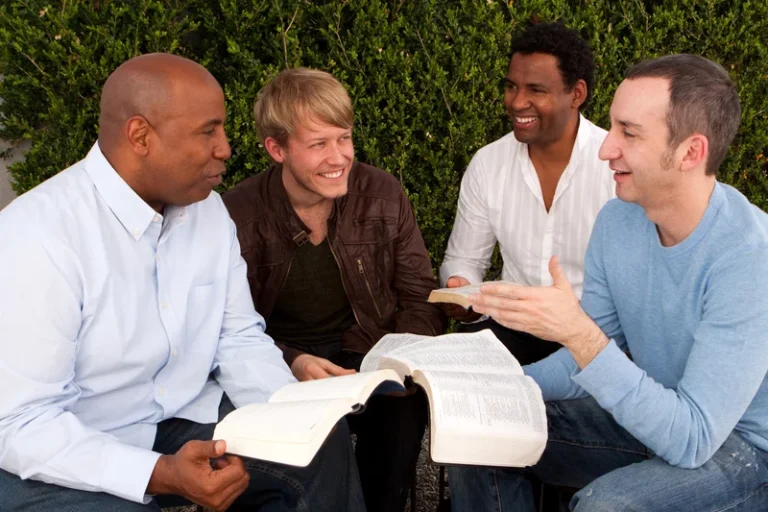
Personality plays a significant role in how people handle tough conversations. Individuals who are conflict-averse may naturally shy away from anything that could create tension or discomfort. Conflict-averse people tend to avoid difficult conversations, which in turn perpetuates a culture of silence. One of the root causes of avoidance in conversations is fear—particularly the fear of conflict and backlash. Many people worry that being honest will harm their relationships, whether personal or professional. Even simple feedback, such as constructive criticism or an honest assessment of someone’s performance, can feel risky.

Reflecting on what the other person is saying and paraphrasing their main points ensures we understand them correctly. Navigating social situations can be challenging, and it’s okay to make mistakes. Gradually, I noticed a positive shift in how people responded to me in social situations. From avoiding small talk to giving short, noncommittal responses, these actions can indicate that you’re being quietly avoided.
- Most of the time, they appear as if they’re just nodding along and waiting for their turn to speak.
- Instead of overcomplicating things, he focuses on insights that actually help people navigate life with more clarity and balance.
- Even people particularly sensitive to rejection benefit from being nonjudgmental about their inner experiences, and are less likely to report negative feelings following rejection.
- One exception to this is that immediately after a relationship ends, some people like to hear their ex criticized.
- “Whereas in disagreement, the brain was much more active generally.
It’s crucial to navigate these phases with understanding, patience, and empathy. Noticing these subtle behaviors in someone can be disconcerting. It leaves you in a state of uncertainty, wondering whether it’s all in your head or if something has genuinely changed. This behavior was their way of creating emotional distance without explicitly saying so. If someone is avoiding you, they might create scenarios where they need to rush off.
